

A founder’s journey from valet to the World Cup
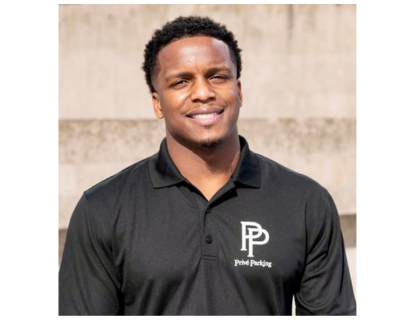
Ricardo Louis is the CEO and Founder of Privé Parking, a Boston-based small business that provides complete transportation and mobility solutions — valet parking, parking management, shuttle operations, black car service, traffic flow, and large-scale transportation logistics — to manage every aspect of how people move. After graduating from Nectar’s Business Equity Initiative program in 2024, Ricardo earned a contract with FIFA to offer shuttle services to games at Boston Stadium during the 2026 World Cup. He recently shared more about the story behind his business, how he connected with FIFA, and the BEI lessons that helped drive his success. Tell us about how Privé Parking started. What inspired you to launch this business? It really started when I was in college at UMass Dartmouth. I was living on campus and looking to make some money on the side, so I applied to work as a valet parking attendant. I loved it right away. The tips were good cash, but what really drew me in was the people and the energy of the work. I did it through my junior and senior years, and over that time I built a real identity around it; I became known as “Ricardo the valet.” After I …