Eastern Bank Spinoff and Lawrence Nonprofit Team Up to Boost Local Entrepreneurs
Eastern Bank Spinoff and Lawrence Nonprofit Team Up to Boost Local Entrepreneurs: With a $10 million fund, the organization aims to mentor and fund minority-owned small businesses.
By Jon Chesto, Globe Staff, December 2, 2022
When Eastern Bank launched the Foundation for Business Equity in 2017, the eventual goal was to create a nonprofit that could stand on its own.
Five years later, FBE is officially leaving the nest — by merging with a Lawrence-based nonprofit called Mill Cities Community Investments, or MCCI.
The two have distinct but complementary missions: FBE specializes in mentorship and guidance for entrepreneurs of color across Greater Boston, while MCCI had been providing low-interest loans to small businesses, primarily in the Merrimack Valley.
Now that they are under one roof, the organization has the ability to provide both services — advice and capital — across FBE’s broader geographic footprint. The merger, in the works for about two years, was completed earlier this fall. For now, both groups’ brands will remain intact, under MCCI, with the goal of coming up with an overarching brand name.
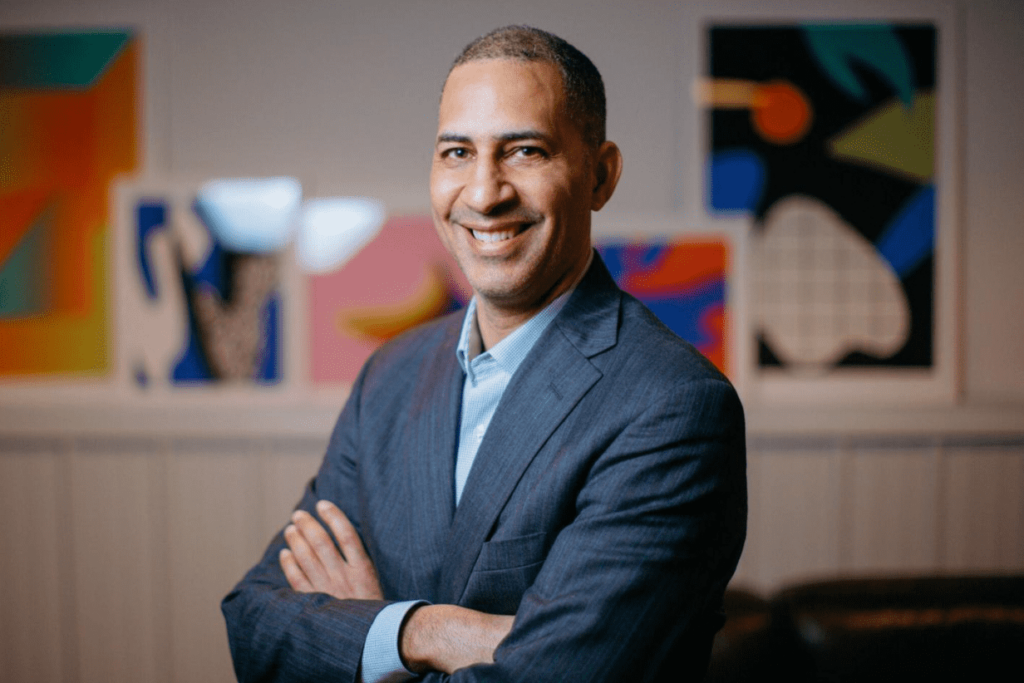
The two organizations have already had a sort of trial run together: Glynn Lloyd, FBE’s executive director, also did double duty in the past year as executive director at MCCI, after longtime chief Frank Carvalho retired. Now, Lloyd will be running the combined organization. Together, the group employs 14 people at offices in Roxbury and Lawrence, with an annual budget of about $4.5 million. The organization expects to deploy an additional $10 million next year for low-cost loans and equity investments for small businesses run by Black and Latino entrepreneurs, who have long struggled to access traditional funding.
Lloyd, who is Black and co-owns City Fresh Foods with brother Sheldon Lloyd, said he hopes to raise even more money from foundations and corporate sources to provide small-business support.
“I’m really excited about where we can grow in terms of more capital on the street and continually tweaking our high-touch advisory services,” Lloyd said.
Eastern Bank initially seeded FBE with $10 million, including $2 million that went to the Boston Foundation to help start a separate fund to make loans to some of the businesses working with FBE. The goal was to give Lloyd and his two colleagues enough support so they could focus on the mission, rather than on fund-raising. Still, FBE subsequently received a few big foundation grants — including from the Barr, Boston, and Cummings foundations — as well as a $2.5 million commitment from private equity firm Bain Capital.
FBE has already helped an estimated 90 businesses since its launch five years ago.
“In 2017, we had no idea it would have the impact it would be able to have but we saw the need and moved toward that need,” said Nancy Huntington Stager, president of Eastern Bank’s Foundation. “All along, the intention was for it to be separate.
Businesses need a sound business model and strategic plan, the capital to achieve their plan and revenue to drive growth. Black and Latinx entrepreneurs face three primary interwoven barriers: access to advice, access to capital and access to markets. The Foundation for Business Equity, a Boston-based nonprofit, helps to close the racial wealth gap by scaling businesses of color. It also provided survival plans and business continuity for businesses being most impacted during the pandemic. Learn more at https://fbequity.org/ and follow the Foundation for Business Equity on LinkedIn and Twitter.
Great news for Massachusetts homeowners: the Massachusetts Community Climate Bank at MassHousing announced it has surpassed $5 million in Energy Saver Home Loan financing, helping residents cut energy use and boost the value of their homes. Nectar is a proud participating lender — and our Residential Services Director Lissette Paukert is quoted on the program’s impact.
Read the press release
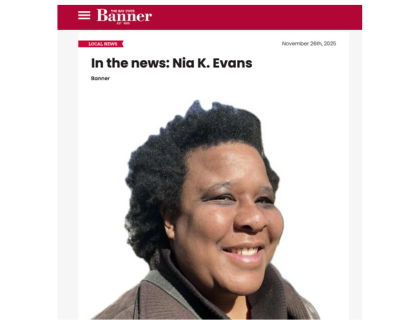
Nectar Community Investments has welcomed Boston Ujima Project Executive Director Nia K. Evans as a new board member to be part of their organization. Evans’ role at the Boston Ujima Project focuses on bringing together neighbors, workers, business owners and investors in Greater Boston to build a community-controlled economy. According to Evans, the Boston Ujima Project has “made history as the nation’s first democratically governed investment fund.”
Read the article
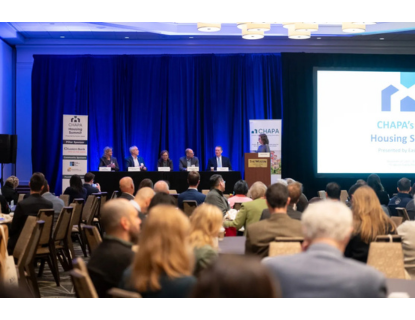
Our Executive Director Glynn Lloyd joined more than 400 housing, business, and public-sector leaders at the Citizens’ Housing and Planning Association’s annual Housing Summit, where he moderated a panel about Massachusetts’ economic development potential as a hub for modular construction.
Read the article